
Kuber is believed to have created the concept of money and wealth from the earth’s resources, highlighting his role as the god of material prosperity.
Credit Card spending has reached ₹18.26 lakh crores in FY 2023-24 which is a 27% increase year-on-year.Credit card defaults stood at ₹4,072 crores and outstanding balances at ₹2.4 lakh crores.
Vehicle loan from banks have witnessed a staggering 137% increase over the past 3 years reaching a total of ₹5.08 lakh crores.Car loans continue to dominate the user preference as the traditional preference for home ownership has declined.
Personal loans has grown to nearly ₹52.7 lakh croresAbsence of Corporate borrowing prompted banks to chase personal loans more aggressively.
Education loans surged to ₹96,847 Crores in FY23 recording a remarkable 17% increase since previous year.
Outstanding household debt has reached a record ₹27.23 lakh crores in March 2024.Commercial Real estate debt stood at ₹ 4.48 lakh crores.
Non-housing debt, which stood at 72% of the total household debt, grew at a faster clip than housing debt.
Inflation is Real
Inflation is like that one relative who just won’t stop visiting – it’s always there! The purchasing power of money decreases when inflation visits, impacting personal finances across various sectors. Once inflation starts to occur, the expectation of inflation can further sustain the devaluation of money, making it essential for individuals to understand and adapt to these changes. In 2024, India’s retail inflation rate has shown a promising trend, dropping to 4.83 percent in April from 5.09 percent in February, within the Reserve Bank of India’s (RBI) tolerance band of 2 to 6 percent. For individuals, lower inflation helps maintain the purchasing power of their money, making essential goods and services more affordable. However, with food inflation remaining high at 8.66 percent in February, it’s important for households to budget carefully and perhaps allocate more towards essential expenses. To protect your personal finances from the eroding effects of inflation, it’s crucial to maximize the value of your cash. One effective strategy is to ensure your savings earn a high annual percentage yield (APY). This higher rate, while not completely offsetting inflation, significantly reduces the loss in purchasing power. Additionally, holding only the cash needed for monthly expenses, an emergency fund, and short-term goals while investing the rest can avoid cash drag. For the average individual, staying ahead of inflation requires a multi-faceted approach. This includes keeping pace with rising costs, strategic debt management to minimize interest expenses, and prudent budgeting with an emphasis on cutting discretionary spending in inflated categories. Ultimately, maintaining financial health in an inflationary environment demands vigilance, adaptability, and a meticulous plan that balances current needs with future financial security.Uncertainty is the New Normal
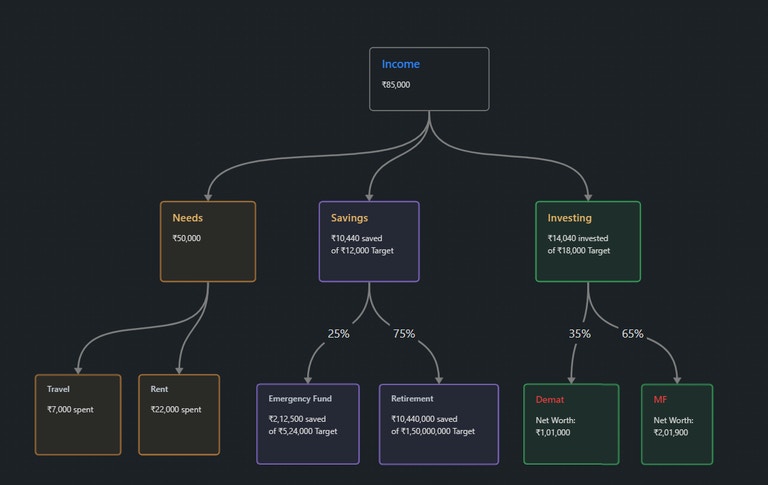
Life is unpredictable, and unexpected expenses can crop up anytime. Whether it’s a medical emergency, job loss, or something else, having an emergency fund is a lifesaver. Financial experts generally recommend putting away 20% of each paycheck every month. It’s best to keep your emergency fund separate from your other bank accounts. You want your emergency fund to be accessible in case you need it quickly but not so convenient that you’re tempted to withdraw unnecessarily. When it comes to this account, you should have a “set it and forget it” mentality. Once you’ve filled up your emergency fund, don’t stop. Continue funneling the monthly 20% toward other financial goals, such as a retirement fund or a down payment on a home.